Alcohol Treatment in Florida
Alcohol treatment in Florida starts with understanding the options. The state has 494 facilities listed by SAMHSA. This guide helps you find the right level of care.
- locations listed
- 494
- provide detox
- 150
- take Medicaid
- 304
Paying for alcohol treatment in Florida
According to SAMHSA listings, 304 facilities in Florida accept Medicaid, 162 offer sliding-fee scales, and 14 provide free care. Private insurance is accepted at 421 facilities, Medicare at 219, and TRICARE at 295. As of October 2026, the state has not adopted Medicaid expansion, which means eligibility for Medicaid in Florida is more limited than in expansion states.
Medicaid accepted at 304 treatment centers in Florida can help cover alcohol rehab for individuals who qualify. If you carry private insurance, then 421 Florida facilities accept it, though confirm coverage for specific services. At 162 Florida facilities, sliding-fee options adjust costs based on income for those who qualify. Free treatment is available at 14 Florida centers, and 234 facilities receive block grant funding that may support reduced-cost care. Most insurance plans must cover addiction treatment under the federal parity law similarly to other medical care, so check your plan's behavioral health benefits.
- take Medicaid
- 304
- take private insurance
- 421
- take Medicare
- 219
- have a sliding fee
- 162
Widely used centers in Florida
-

West Palm BeachFL
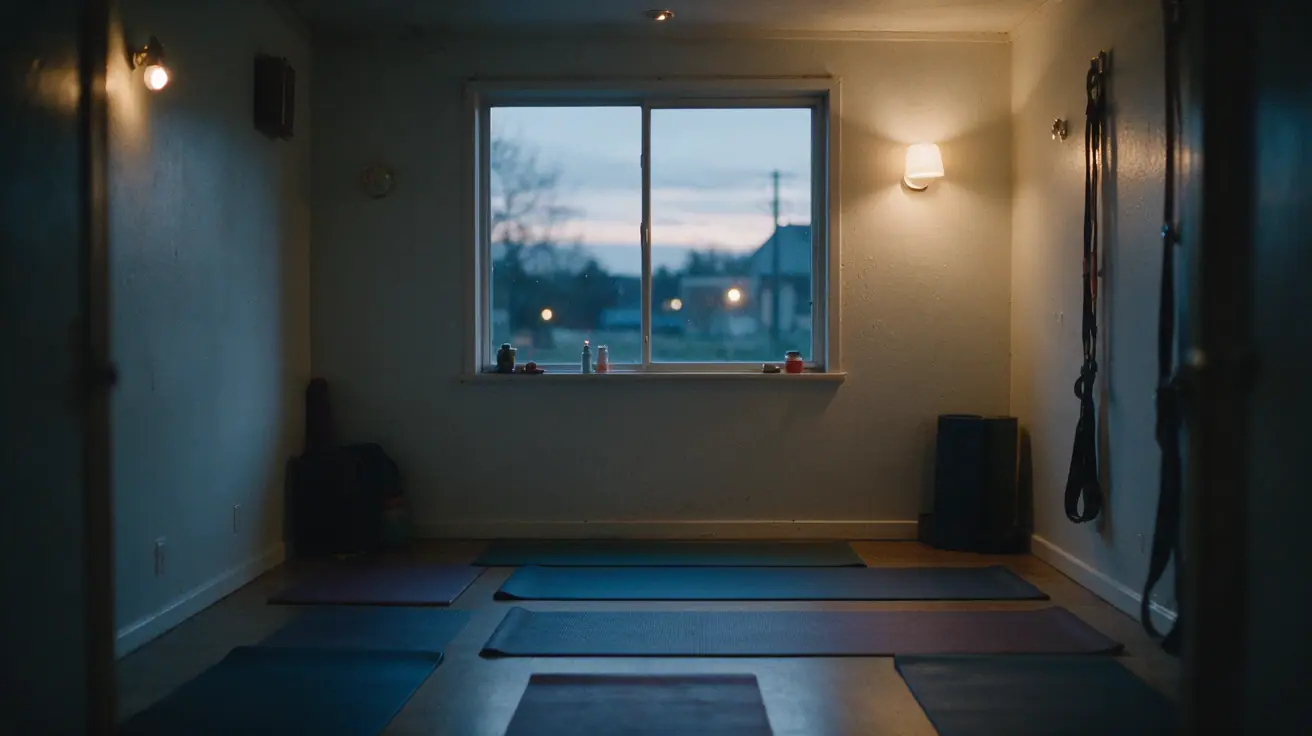
Hanley Center
4.3/578 Google reviews
Average stay 180 days31-50 beds
Hanley Center West Palm Beach delivers alcohol and drug treatment across a 14-acre campus.
- Detox
-
DeLandFL
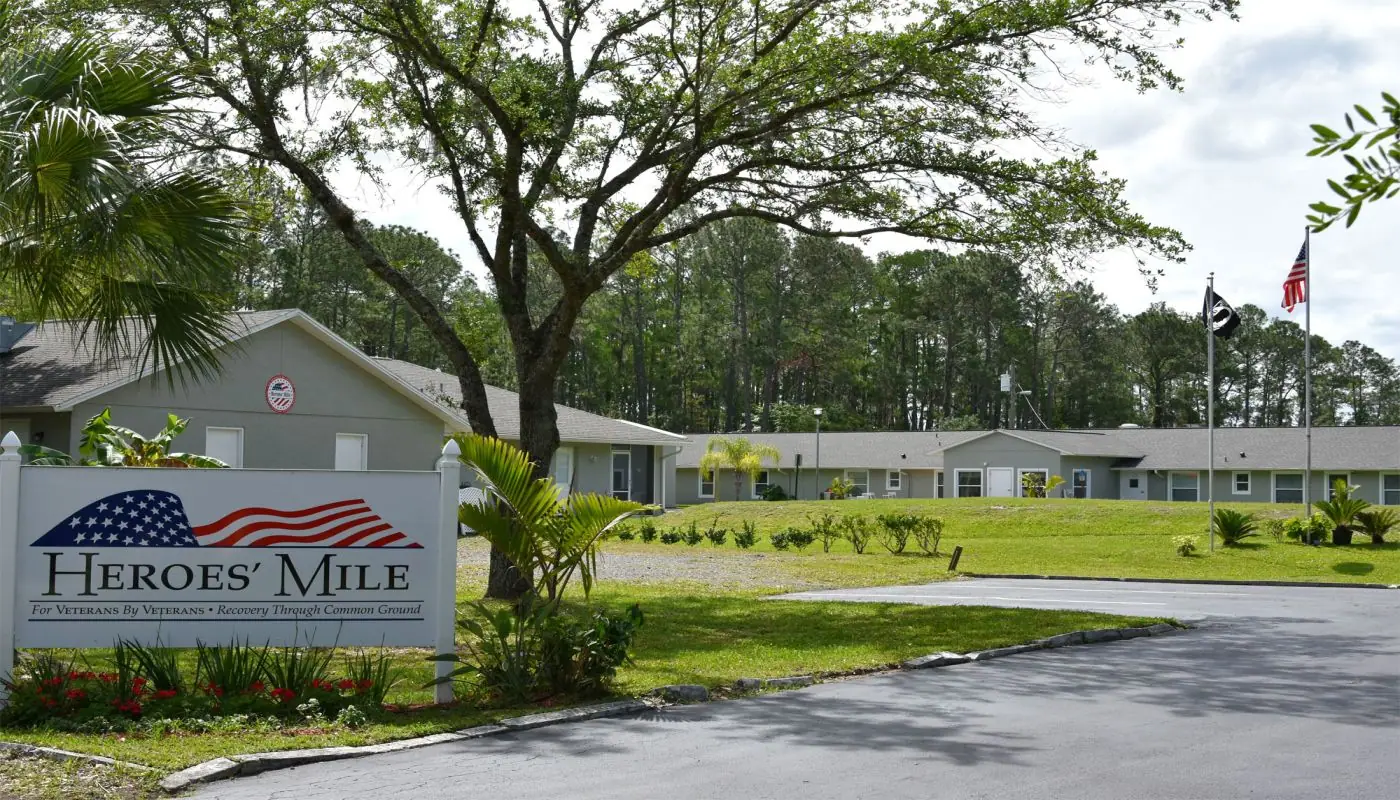
Heroes' Mile
4.3/520 Google reviews
Average stay 30 days
Heroes' Mile DeLand helps veterans address alcohol and drug use.
- Co-Occurring Mental Health
- Detox
- Residential Rehab
Joint Commission View center
-
DavieFL
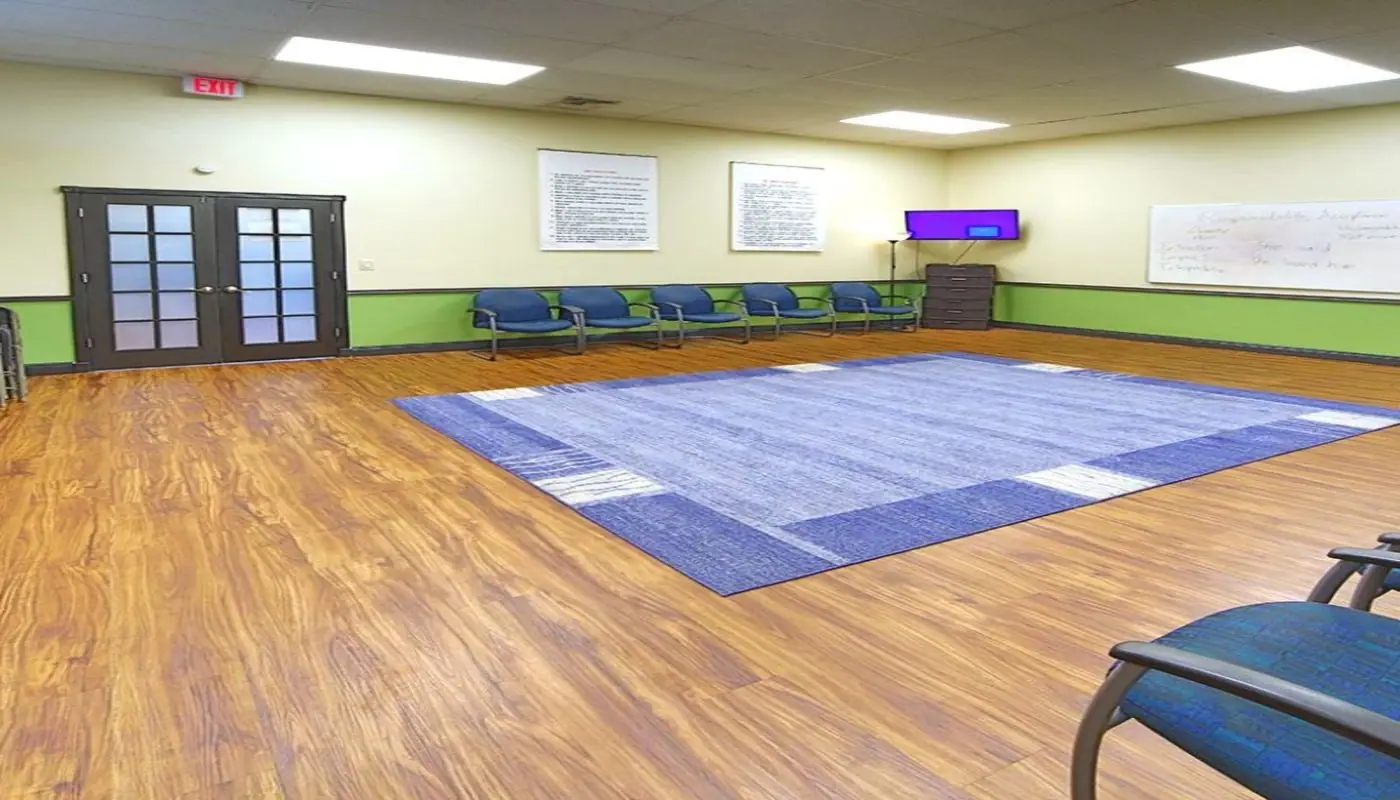
AWA Broward
4.9/5200 Google reviews
Average stay 5 days31-50 beds
AWA Broward Davie is an outpatient center for teens in Davie, Florida.
- Co-Occurring Mental Health
Joint Commission View center
-
QuincyFL
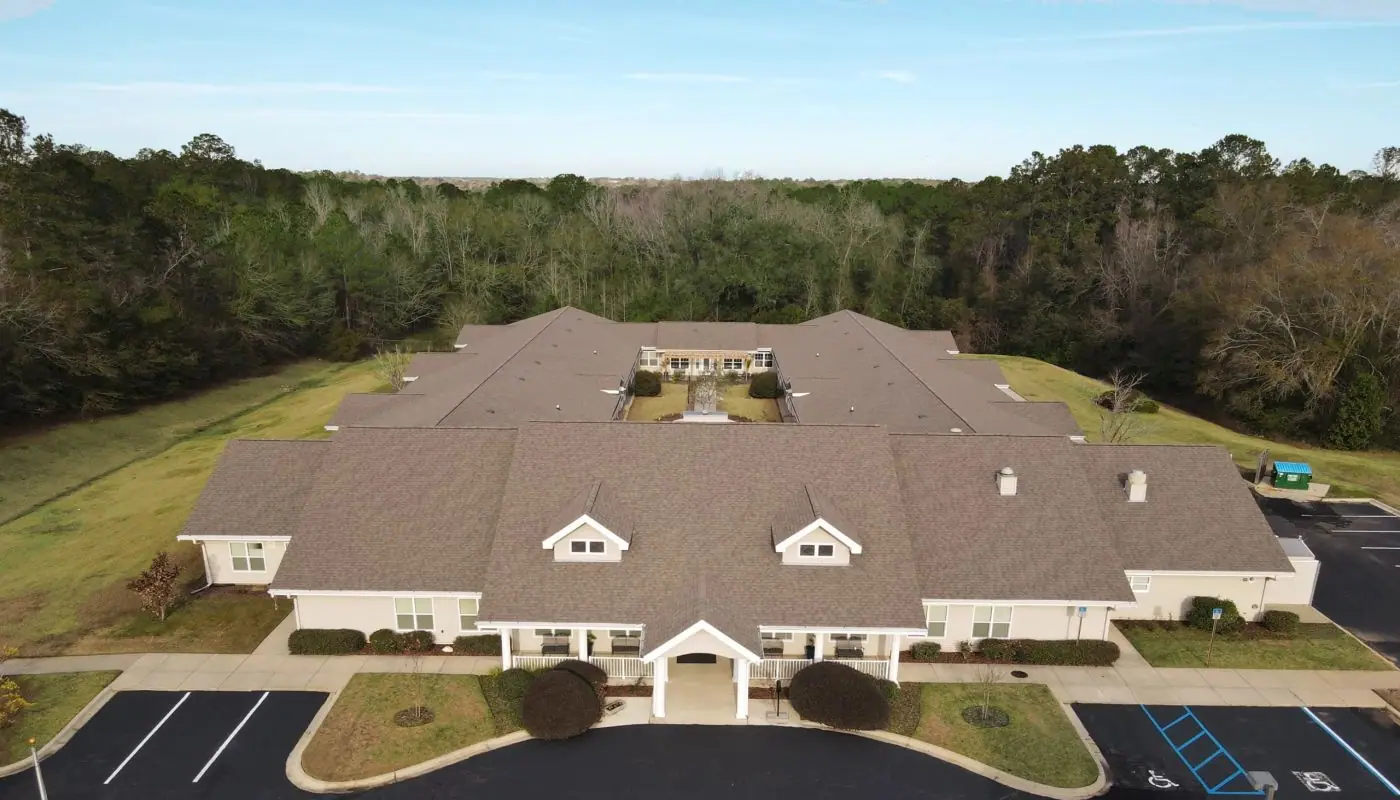
Sojourn Wellness
4.5/520 Google reviews
Average stay 30 days31-50 beds
Sojourn Wellness Quincy provides detox and residential care for people with alcohol use disorder.
- Co-Occurring Mental Health
- Detox
- Residential Rehab
Joint Commission View center
-
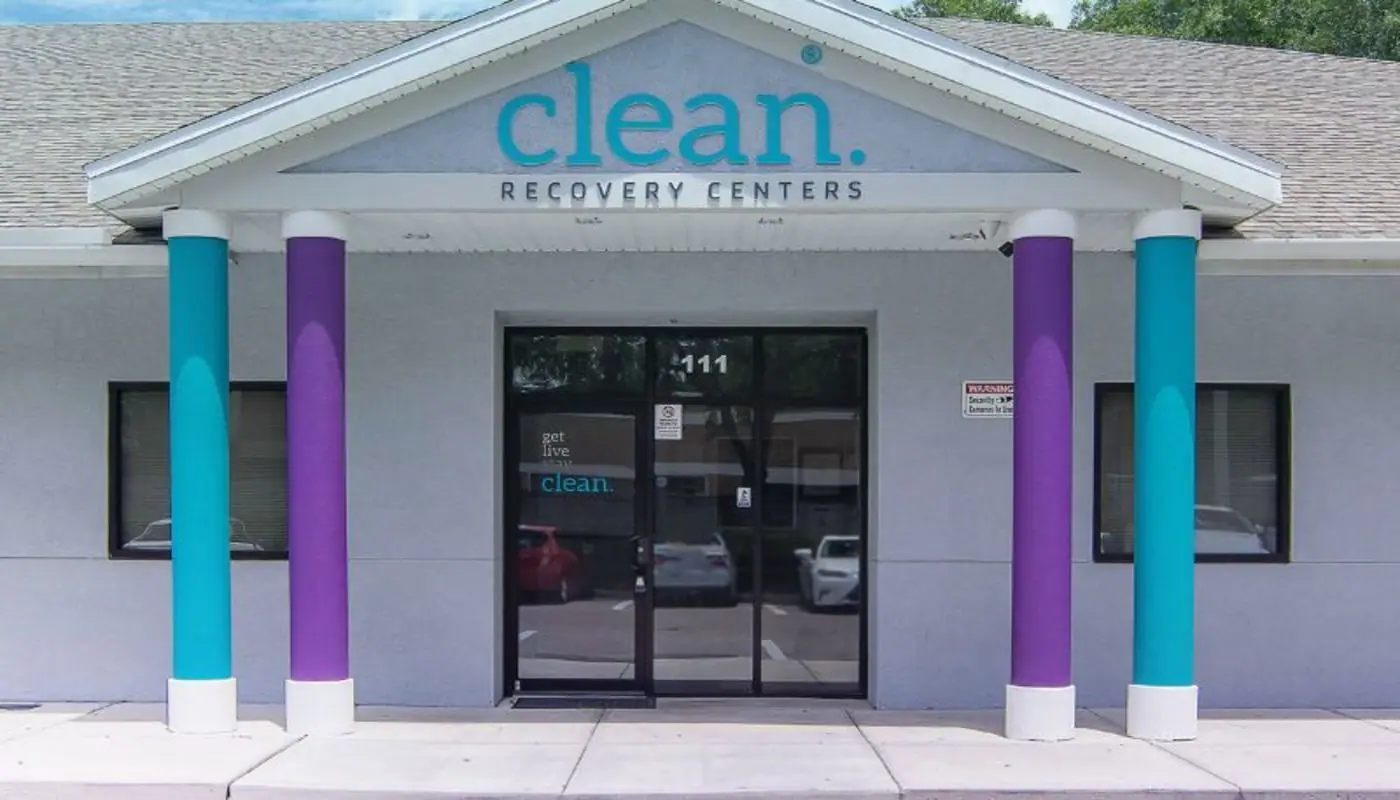
TampaFL
Clean Recovery Centers Tampa
4.6/5460 Google reviews
Average stay 90+ days31-50 beds
Clean recovery centers Tampa is what this page covers, one center among many.
- Co-Occurring Mental Health
- Outpatient
Joint Commission View center
-
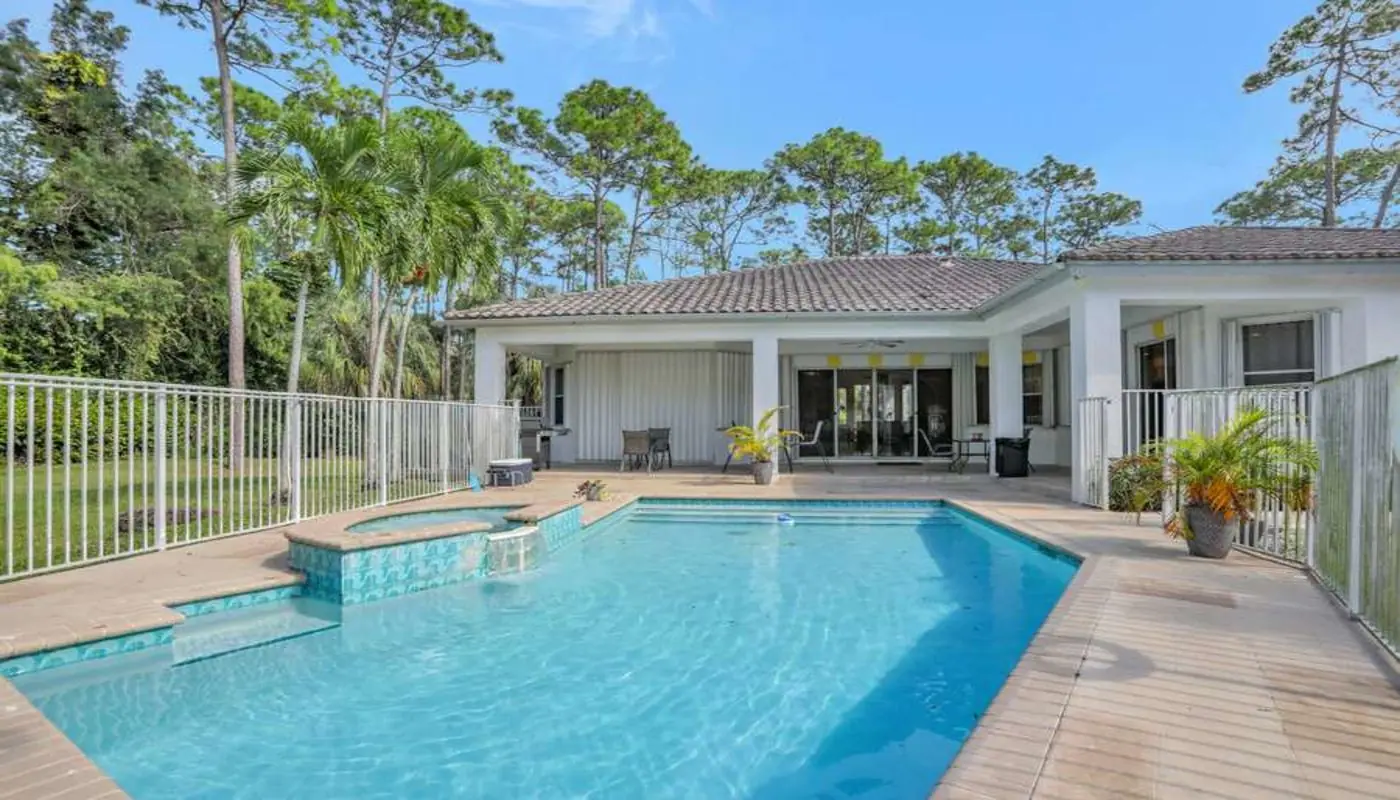
TamaracFL
The Sylvia Brafman Mental Health
4.5/5170 Google reviews
Average stay 90 days31-50 beds
The Sylvia Brafman Mental Health Center Tamarac is a private mental health and addiction program in South Florida.
- Co-Occurring Mental Health
- Outpatient
Joint Commission View center
-

Boynton BeachFL
Recreate Life Counseling
4.9/5240 Google reviews
Average stay 60 Days31-50 beds
Recreate Life Counseling Boynton Beach offers outpatient treatment for alcohol use and co-occurring issues.
- Outpatient
Joint Commission View center
-
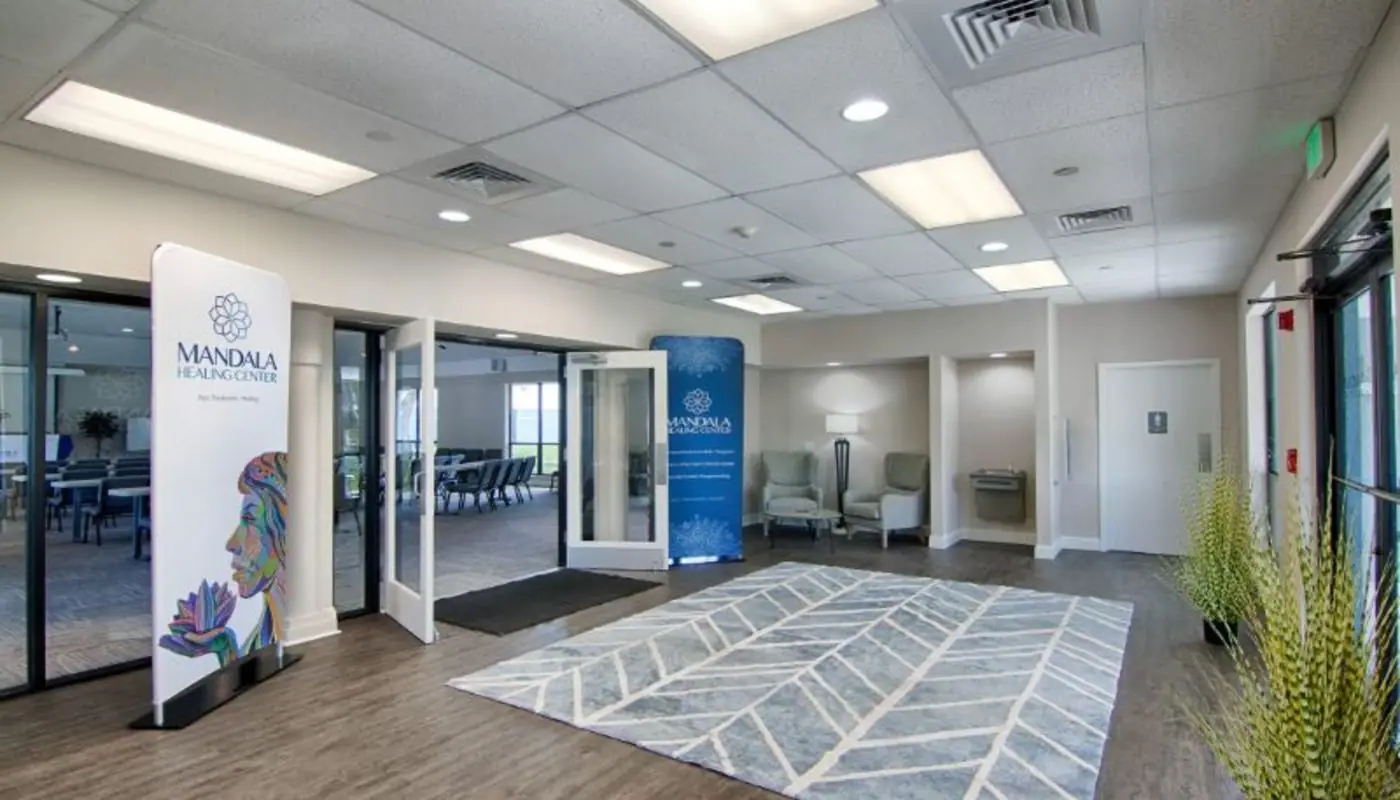
West Palm BeachFL
Mandala Healing Center
3.7/5180 Google reviews
Average stay 30 days16-30 beds
At Mandala Healing Center West Palm Beach, detox and residential care are offered for substance use and co-occurring disorders.
- Co-Occurring Mental Health
- Detox
- Residential Rehab
Alcohol treatment by Florida city
Alcohol treatment in Florida is spread across the state, with 42 facilities in Miami, 28 in Fort Lauderdale, and 19 each in West Palm Beach and Jacksonville. Tampa has 17 listed facilities, Orlando 16, and Daytona Beach and Fort Myers each have 13. Miami offers 42 alcohol rehab centers, making it the largest hub in the state. Fort Lauderdale has 28 facilities for alcohol treatment, and West Palm Beach lists 19 centers for alcohol rehab. Jacksonville and Tampa together have 36 treatment facilities, giving residents in northeast and central Florida multiple options. Orlando and Daytona Beach provide 29 alcohol rehab programs combined, serving the central and coastal regions. Fort Myers has 13 centers for alcohol treatment, covering southwest Florida.
What to expect on a helpline call
Calling the free 24/7 helpline connects you with a treatment advisor tied to licensed providers, not a scripted call center. The advisor asks about your situation, which substances are involved, any earlier treatment, and your insurance or payment preferences. The conversation is confidential, and nothing requires you to enter treatment.
Treatment advisors connected with licensed Florida providers answer the helpline. Calls cost nothing and stay confidential, and you can remain anonymous if you prefer. To find Florida facilities that fit, the advisor will ask about your insurance and location. If Medicaid is your coverage, then the advisor can identify centers that accept it. If the level of care is unclear, then the advisor can explain how detox, inpatient, and outpatient programs differ. Nothing during the call obligates you to commit to treatment.

Florida overdose data and what it means
In the 12 months ending May 2026, Florida reported 3,976 overdose deaths, a 7 percent decrease from the previous period, according to the CDC. Opioids were involved in 2,260 of those deaths, with fentanyl responsible for 1,771. Cocaine was involved in 1,243 deaths, methamphetamine in 1,069, and prescription opioids in 605.
The 7 percent drop in Florida overdose deaths shows progress but 3,976 lives lost is still significant. Fentanyl was involved in 1,771 deaths in Florida, highlighting the danger of synthetic opioids. Cocaine-related deaths in Florida reached 1,243, and methamphetamine was involved in 1,069 deaths. These numbers underscore the importance of accessible treatment. If you or someone you know is struggling with alcohol or other substances, then reaching out for help can make a difference. Alcohol treatment in Florida is available at 494 facilities listed by SAMHSA, and calling the helpline can connect you with options.
| Drug | Past year | Prior year | Shift |
|---|---|---|---|
| Overdose deaths, all drugs | 3,976 | 4,294 | -7% |
| Opioids, any type | 2,260 | — | — |
| Fentanyl and synthetics | 1,771 | — | — |
| Heroin | 17 | — | — |
| Prescription opioid overdoses | 605 | — | — |
| Methamphetamine | 1,069 | — | — |
| Cocaine | 1,243 | — | — |
CDC early figures, 12 months ending May 2026. Later months can climb as data arrives.
Care levels and medication options
Alcohol use disorder is a medical condition, and care in Florida often combines counseling with medications. Across the state, 295 facilities offer at least one medication for alcohol use disorder, such as naltrexone or acamprosate. Alcohol treatment in Florida at 295 centers includes medication-assisted treatment options that can help reduce cravings and support recovery. Naltrexone is offered at 321 Florida facilities and buprenorphine at 348, though the latter is mainly for opioid use disorder. Telehealth alcohol treatment is available at 370 Florida centers, making care easier to access from home. If medication for alcohol use disorder is on your mind, then talk with a licensed provider about which option might suit you.

- have alcohol detox
- 111
- prescribe alcohol use medication
- 295
- intensive outpatient
- 193
Levels of alcohol treatment in Florida
In Florida, alcohol treatment spans several levels of care: 150 facilities offer medical detox, and 143 provide inpatient or residential rehab. For people who need structured support while living at home, 411 facilities offer outpatient rehab, 193 provide intensive outpatient programs (IOP), and 117 have partial hospitalization programs (PHP). These SAMHSA-listed centers across Florida vary in what they offer, so matching the level of care to your situation matters.
Medical detox in Florida is available at 150 centers for alcohol withdrawal and should be supervised because alcohol withdrawal can be dangerous. If you have experienced withdrawal symptoms before, then a medically supervised detox is the safer starting point. Inpatient rehab in Florida at 143 facilities provides 24-hour care for people who need a break from their daily environment. Outpatient rehab in Florida at 411 centers lets people live at home while attending counseling and groups, which can be a good fit for those with stable housing and support.
Intensive outpatient programs at 193 Florida centers offer several sessions per week for people who need more than standard outpatient care. Partial hospitalization at 117 facilities in Florida provides a structured day program without overnight stays. Both inpatient and outpatient programs in Florida accept various insurance plans and many offer sliding-scale fees, so cost should not be the only factor in your decision.
How to start treatment
- 1
Assess your needs
Consider your drinking patterns, any withdrawal symptoms, and your support system. This helps determine whether detox, inpatient, or outpatient care is the best fit. If you have experienced severe withdrawal, then medical supervision is important.
- 2
Check your coverage
Look over your coverage or check whether you qualify for Medicaid. Across Florida, 304 facilities take Medicaid and 421 take private insurance. If you have no insurance, then ask those 234 facilities about sliding-scale fees or block grant funding.
- 3
Contact the helpline
Call the free 24/7 helpline to speak with a treatment advisor. They ask about your circumstances and help you find Florida facilities matching your needs and budget. The conversation remains private and leaves you committed to nothing.
- 4
Verify the program
Before enrolling, confirm the program's licensing and accreditation, such as from the Joint Commission or CARF. Ask about the specific therapies offered and whether medications for alcohol use disorder are available. Then make a plan to start.
Common questions
Are there free alcohol treatment centers in Florida?
Yes, 14 facilities in Florida offer free alcohol treatment, according to SAMHSA listings, and 234 receive block grant funding that may support reduced-cost care. Additionally, 162 facilities offer sliding-fee scales based on income. To find free or low-cost options, call the helpline and ask about facilities that fit your financial situation.
Does Florida Medicaid cover alcohol treatment?
In Florida, 304 alcohol treatment facilities accept Medicaid, though eligibility is limited since the state has not expanded Medicaid as of October 2026. Coverage depends on your income and situation. If you qualify, Medicaid might cover detox, inpatient, or outpatient care. The helpline can help you locate providers that take Medicaid.
How long does alcohol detox take in Florida?
Alcohol detox usually lasts a few days up to about a week, depending on factors such as your drinking volume and history. According to MedlinePlus, withdrawal symptoms may reach their peak between 24 and 72 hours. As alcohol withdrawal can be dangerous a medical team should watch over it. In Florida, 150 facilities provide medical detox. The helpline can help you find one.
What are the different types of rehab centers in Florida?
Florida has 143 inpatient or residential rehab facilities, 411 outpatient rehab centers, 193 intensive outpatient programs (IOP), and 117 partial hospitalization programs (PHP). There are also 150 facilities offering medical detox. The right type depends on your needs, support system, and health. Inpatient provides 24-hour care, while outpatient allows you to live at home.
Is alcohol treatment in Florida covered by private insurance?
Yes, 421 Florida facilities take private insurance. Parity rules compel most health plans to cover addiction treatment largely the way they cover other medical care. Still, verify the specifics with both your plan and the facility. The helpline can help you locate in-network providers and understand your benefits.
Can I get alcohol treatment in Florida without insurance?
Yes, there are options. Florida has 162 facilities with sliding-fee scales, 14 that offer free care, and 234 that receive block grant funding. Additionally, 461 facilities accept self-pay. If you are uninsured, then call the helpline to discuss low-cost options and find a facility that fits your budget.